01 · PPL vs. CPL
What separates a Private Pilot License (PPL) from a Commercial Pilot License (CPL)
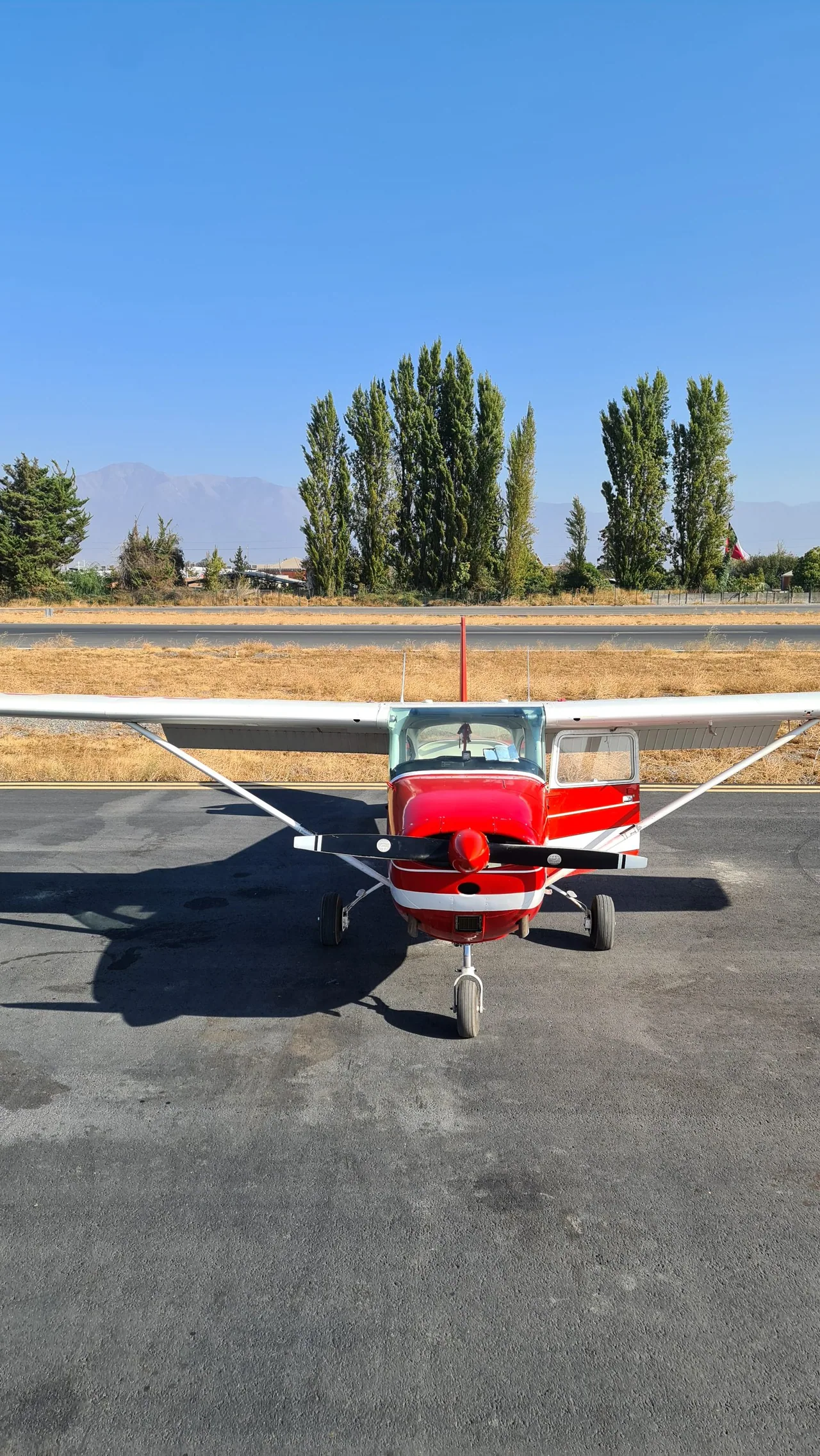
Many prospective students across Colombia, Ecuador, Mexico and Latin America initially picture private pilot and commercial pilot as two separate tracks. In civil aviation they are actually consecutive stages of the same technical ladder: you earn your Private Pilot License (PPL) first, then build the ratings and experience required for a Commercial Pilot License (CPL).
A PPL enables you to act as pilot in command for personal or recreational flights without compensation. A CPL raises the bar on flight hours, maneuvers, cross-country judgment and technical standards so you can legally conduct compensated operations within the privileges authorized by the issuing aviation authority.
Starting from zero does not force you to choose one over the other: every commercial career begins with private pilot foundations before advancing into instrument flying, commercial standards and instructor or multi-engine competencies.
02 · The pay myth
Why people ask whether a private pilot or commercial pilot earns more
A common question across search and social video is whether a «private pilot» earns more than a commercial airline pilot. The confusion stems from two totally different uses of the word «private».
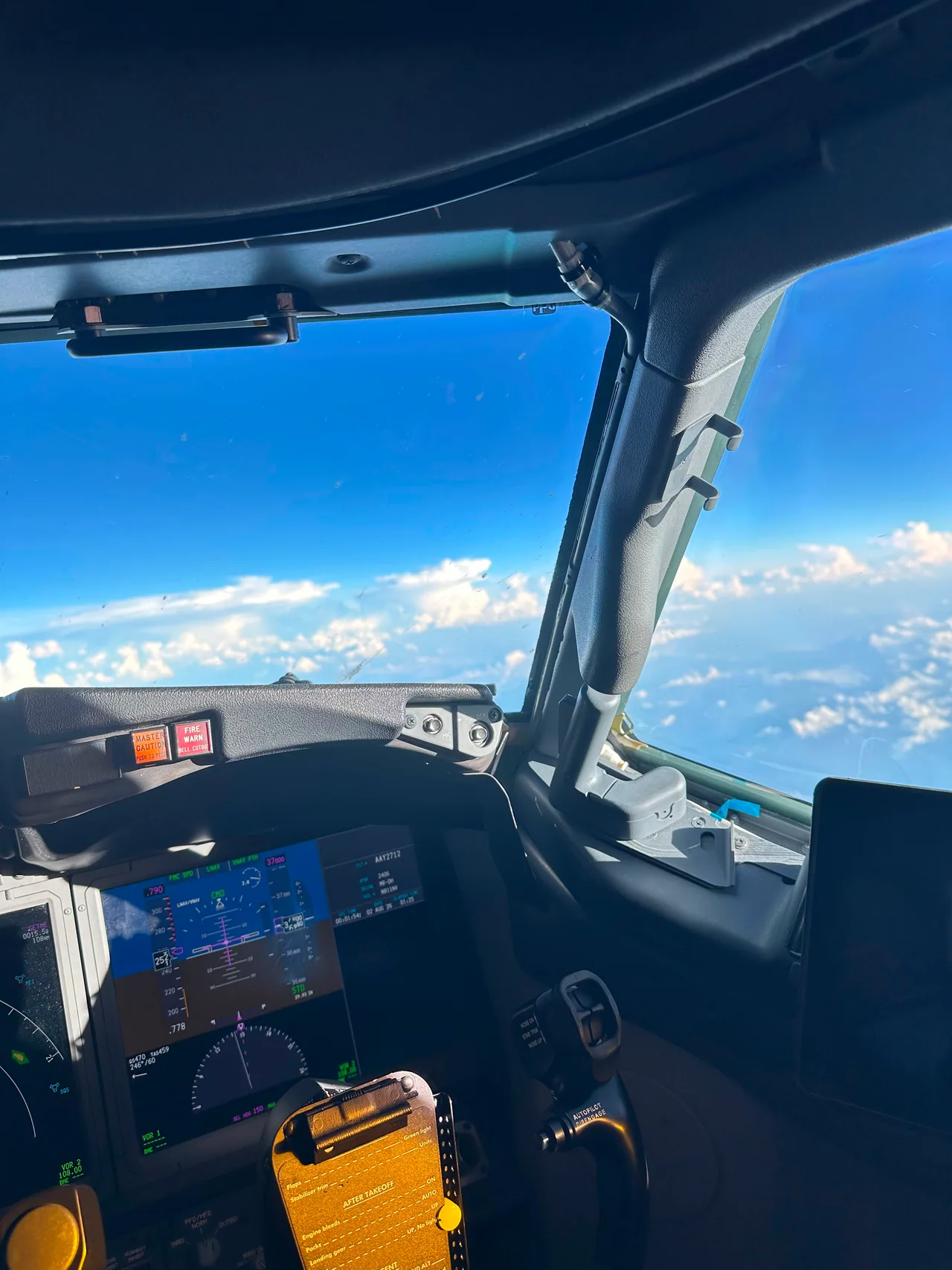
A recreational PPL holder cannot legally earn a salary flying passengers or cargo. Pilots flying private business jets and corporate charters hold Commercial (CPL) or Airline Transport Pilot (ATP) certificates alongside instrument, multi-engine and turbine qualifications—not a basic private pilot license.
03 · Beyond 200 hours
Why finishing a commercial license around 200 hours often hits a hiring wall
Across the region, newly minted 150-to-250-hour pilots frequently realize that holding a bare commercial certificate rarely leads straight into an airline right seat. Operators evaluate the full operational profile behind the certificate:
Before competing for advanced roles, candidates must turn an initial commercial rating into verified operational capability:
- Solid Instrument Rating (IFR) proficiency across real approaches, procedures and airspace.
- Multi-engine competence and cockpit decision-making discipline in complex aircraft.
- Operational aviation English and ICAO radio communication beyond memorized test prep.
- A structured pathway to build documented hours beyond 200–250 hours toward the 1,500-hour ATP benchmark.
04 · Structured 2027 path
Planning your 2027 pathway without stalling after your commercial checkride
Whether you apply from Colombia, Ecuador, Mexico or elsewhere in Latin America, the decisive factor is designing what happens the morning after your CPL checkride—not just comparing initial license tuition.
Inside Aerolíder's ROOKIE pathway in the United States, training connects zero-time foundations under FAA standards through PPL, Instrument, Commercial and flight instructor certifications (CFI/CFII). Subject to F-1 eligibility, Form I-20 admission and applicable CPT/OPT authorizations, eligible students may pursue instructional opportunities to accumulate hours toward 1,500 hours. If you already hold a PPL or prior hours, we evaluate your records, medical status and English individually before setting your entry point.
FAQ · 2027 Structured Guide
Frequently asked questions on this topic
Can I be paid to fly with only a Private Pilot License (PPL)?
No. A PPL restricts you to non-commercial flying. Earning compensation as a pilot requires progressing to a Commercial Pilot License (CPL) along with the applicable ratings, medical certificate and regulatory authorizations.
I already hold a PPL in Latin America—can I enter an Aerolíder U.S. pathway directly for CPL?
We review your issuing authority, logbook hours, current medical validity and English level individually. Because licenses do not transfer automatically across aviation authorities, exact remaining stages are confirmed before enrollment.
Does earning a CPL or CFI guarantee airline employment or visa approval?
No program guarantees automatic hiring or consular visa approval. Outcomes depend on performance, English proficiency, documented experience, legal work authorizations and each employer's own hiring decisions.
Next step at Aerolíder
Design your progression beyond 200 hours
Schedule a 30-minute planning meeting with Aerolíder to review your starting point—from zero or with an existing PPL/CPL—and map U.S. or Latin America training options.